

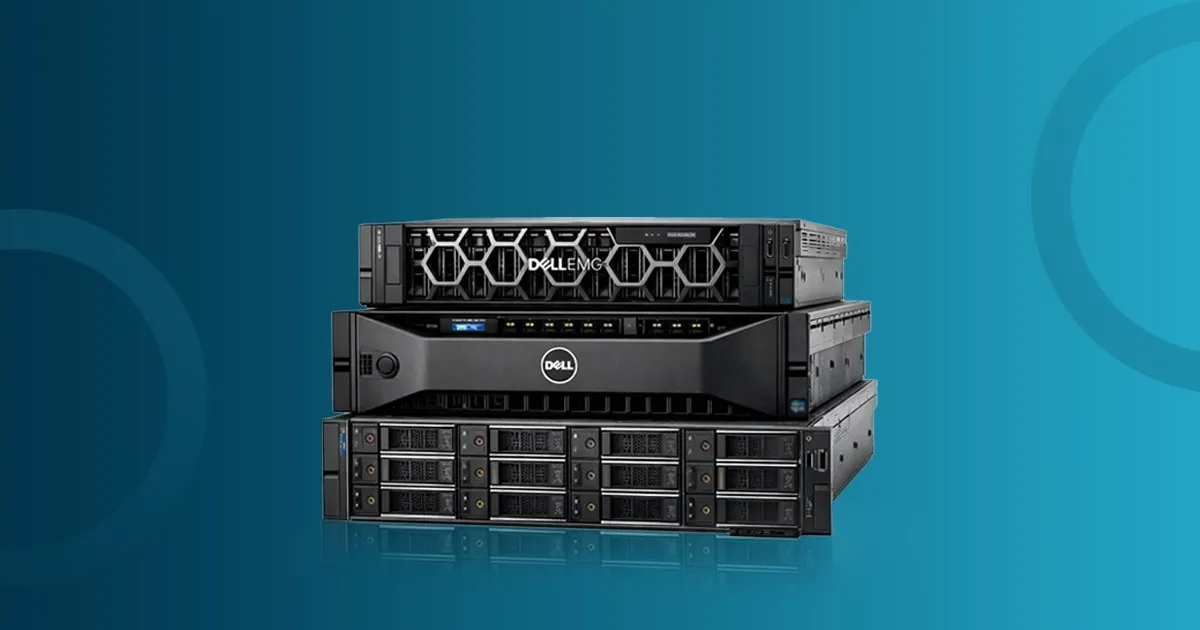
In today’s rapidly evolving digital economy, enterprises across the globe are strengthening their IT infrastructure to handle increasing data volumes, virtualization demands, and mission-critical workloads. As organizations expand, the need for stable, scalable, and high-performance server infrastructure becomes essential rather than optional.
A Dell rack server is widely recognized in enterprise environments for delivering structured scalability, consistent performance, and long-term operational reliability. Designed for structured data center deployments, these servers support enterprise applications, analytics workloads, and database environments with efficiency.
At Zaco Computers, we work closely with enterprise IT leaders who are expanding data centers, modernizing data center environments, or planning phased infrastructure upgrades. A properly configured Dell rack server is not just hardware sitting in a rack. It becomes the backbone of operations - quietly handling workloads, storage demands, and mission-critical applications without disruption.
What Is a Dell Rack Server and Why Enterprises Choose It
A Dell rack server is a rack-mounted enterprise server designed for structured 19-inch rack environments. Unlike standalone systems, it is optimized for organized deployments where airflow, scalability, and centralized management are critical.
Enterprises prefer rack architecture because it allows:
- Structured vertical deployment inside data center racks
- Predictable scalability for future expansion
- Centralized power and cooling management
- High workload stability for virtualization and database platforms
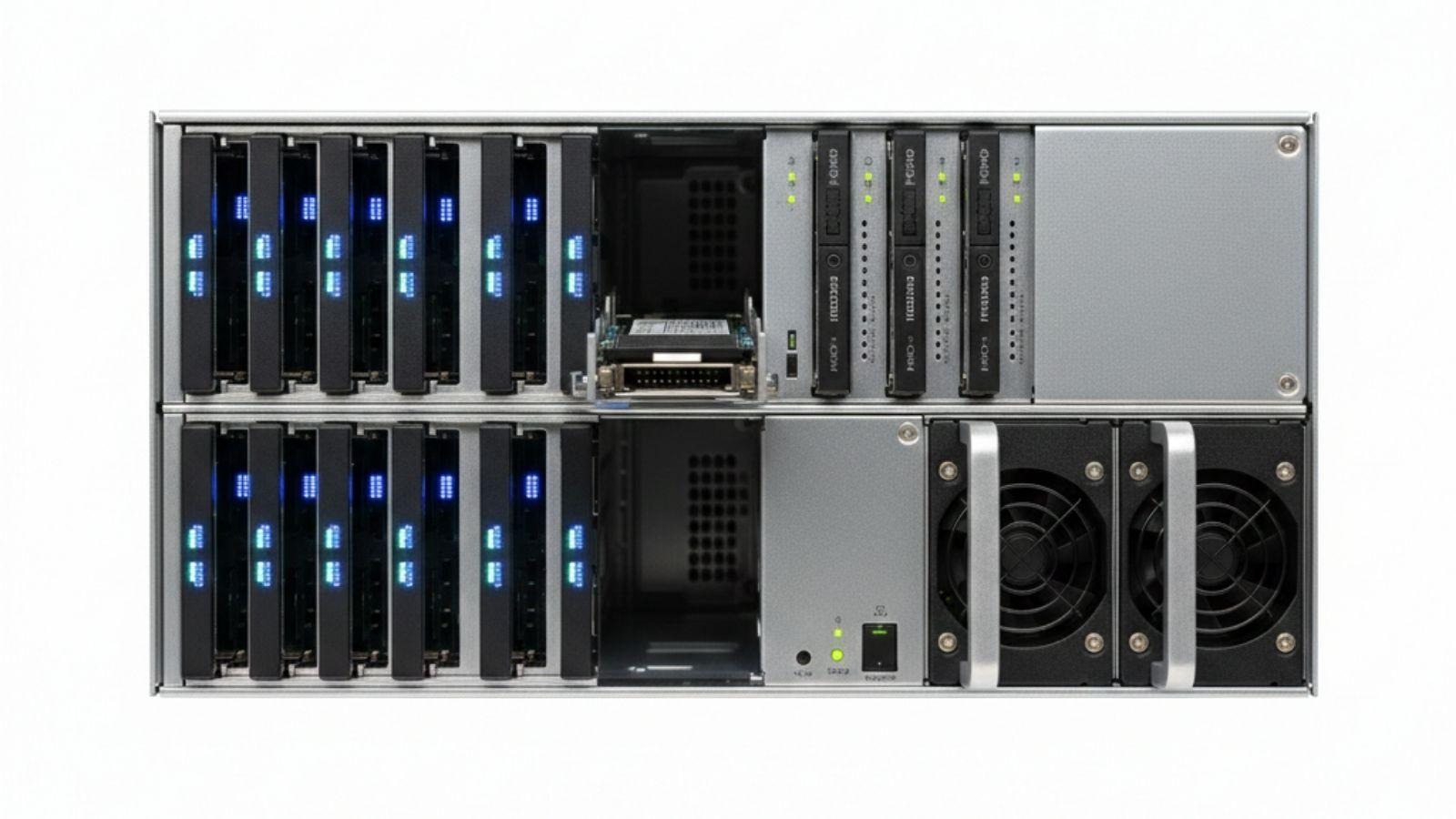
A Dell rack-mount server is engineered for continuous operation. It supports RAID, hot-swappable drives, redundant PSU configurations, and scalable memory architecture. These features reduce operational risk and improve lifecycle stability.
For enterprise IT teams, this is not about brand preference. It is about predictable performance over years of deployment.
Popular Models Which Are in Demand
Enterprises don’t just look for a brand name. They look for proven models that consistently deliver under pressure. Several rack configurations have become widely adopted world wide.
1. Dell PowerEdge R640 (14G)
The PowerEdge R640 is a 1U platform from the 14th Generation (14G) portfolio. It has been widely deployed across Indian enterprise data centers for:
- Application hosting
- Database workloads
- Consolidated branch infrastructure
2. Dell PowerEdge R740 (14G)
The PowerEdge R740, also part of the 14G generation, is designed for higher memory density and storage flexibility.
Enterprises commonly deploy R740 for:
- ERP backend systems
- Hybrid storage environments
- High-availability clusters
3. Dell PowerEdge R650 (15G)
The PowerEdge R650 belongs to the 15th Generation (15G) portfolio and represents a significant performance leap over 14G systems.
It is widely selected for:
- Software-defined data center environments
- Performance-sensitive enterprise workloads
4. Dell PowerEdge R750 (15G)
The PowerEdge R750 is a powerful 2U 15G system built for demanding enterprise environments.
- Analytics workloads
- Database-heavy operations
- Infrastructure consolidation projects
13G -> 14G -> 15G Upgrade Strategy for Enterprise Infrastructure
Most enterprises operate on structured 4–6 year hardware refresh cycles. As legacy 13G platforms approach firmware limitations, reduced spare availability, and increasing workload demands, upgrade planning becomes critical.
Transitioning to 14G systems provides incremental improvements in compute efficiency and memory scalability. However, many organizations now prefer direct migration to 15G platforms for stronger long-term value.
Key advantages of moving to 15G include:
- Modern CPU architecture
- Higher memory bandwidth
- Improved energy efficiency
- Extended lifecycle support
- Better workload density
Upgrade decisions should align with workload growth projections, rack consolidation strategy, and EOSL timelines rather than short-term configuration comparisons.
Key Features Enterprises Evaluate Before Purchase
Before you Buy Dell rack server infrastructure, technical alignment is essential. Over-configuration increases cost, while under-configuration limits scalability.
Processing & Memory
- Latest generation Intel Xeon processors
- ECC memory for workload stability
- Expandable RAM architecture
Storage Architecture
- SSD, HDD, or hybrid storage configurations
- RAID controller integration
- Hot-swappable drive support
Enterprise Reliability Components
- Redundant PSU
- Structured airflow design
- Remote management support
A well-planned Dell rack-mount server deployment ensures consistent uptime while keeping expansion flexible for future scaling.
Virtualization & Density Planning
Virtualized environments rarely remain static. As application portfolios expand, virtual machine counts increase, placing sustained pressure on CPU cores, memory allocation, and storage I/O performance.
Effective density planning requires balancing three critical factors:
- Compute allocation - Ensuring sufficient core availability to prevent performance contention
- Memory capacity planning - Avoiding overcommitment that impacts workload stability
- Storage throughput optimization - Maintaining consistent IOPS under peak demand
Higher workload density can improve rack utilization, but without structured capacity forecasting, it may introduce resource bottlenecks and operational instability.
Modern rack platforms enable organizations to increase VM density per node while maintaining predictable performance, provided infrastructure sizing aligns with projected growth rather than current demand.
A disciplined density strategy helps enterprises scale workloads efficiently without disproportionate increases in rack footprint or management complexity.
Strategic Perspective for Enterprise Buyers
Selecting a Dell Rack Server model should align with:
- Existing generation in production (13G / 14G / 15G)
- Virtualization growth plans
- Data center consolidation strategy
- Budget cycle timing
- EOL and EOSL considerations
Rather than choosing based purely on configuration size, enterprises should align model selection with operational roadmap.
For example:
- Model selection should align with existing infrastructure architecture and long-term workload roadmap.
This approach ensures the Dell Rack Server supports business continuity-not just technical upgrade.
Dell Rack Server Price in India - What Impacts Investment
In India, how much you pay for a Dell PowerEdge rack server will depend on several factors, including the server's configuration, how long the warranty lasts, and any lifecycle management program.
Key cost drivers include:
- Processor generation and core count
- Installed RAM capacity
- Storage configuration and RAID level
- Network expansion modules
- Warranty and support duration
When comparing different Dell PowerEdge rack server prices, you also want to think about total cost of ownership instead of only focusing on purchasing costs.
Organizations operating within structured procurement cycles typically experience predictable pricing alignment. However, if you delay in making a purchase, then the manufacturer may change their price due to supply/demand conditions in the market place.
Why Enterprise Buyers Choose Zaco Computers
Zaco Computers serves enterprise-level clients exclusively. The focus is structured IT hardware supply-not transactional sales.
When deploying a Dell rack server through Zaco Computers, enterprises receive:
- Workload-based configuration consultation
- Warranty-backed and fully tested hardware
- Customization flexibility
- Support for EOL and EOSL infrastructure
- Global sourcing capability
Zaco Computers also provides certified refurbished hardware. Refurbished does not mean used equipment. These units are procured in advance from OEMs, professionally inspected, repaired, cleaned, and fully tested. They support enterprise deployment standards and provide cost-effective alternatives for lifecycle extension.
Organizations evaluating Dell PowerEdge rack servers benefit from informed configuration planning rather than generic quotations.

Why Structured Server Planning Matters
Enterprise server procurement should follow a structured roadmap rather than reactive purchasing. Rack infrastructure decisions impact rack uniformity, operational stability, and long-term maintainability.
Organizations planning expansion should align procurement with:
- Data center capacity planning
- Standardized rack architecture
- Deployment phase timelines
- Firmware and lifecycle synchronization
- Internal approval and compliance processes
Procuring servers in structured batches helps maintain hardware consistency across clusters, simplifies management, and reduces configuration fragmentation.
Early coordination between infrastructure teams and procurement departments ensures smoother deployment scheduling and avoids last-minute integration risks.
A disciplined procurement strategy protects operational continuity and supports long-term infrastructure stability.
Conclusion
Selecting the right Dell rack server is not about short-term hardware acquisition. It is about building stable infrastructure capable of supporting enterprise workloads for years.
We collaborates closely with enterprise IT leaders to deliver structured deployment planning, configuration accuracy, certified refurbished alternatives, and transparent pricing alignment. Whether your organization requires mid-range scalability or high-performance dell PowerEdge rack servers, the objective remains the same - stable, enterprise-ready infrastructure.
With global sourcing capability, multi-vendor enterprise support, and warranty-backed supply, Zaco Computers ensures every deployment aligns with operational continuity and future growth.
Infrastructure decisions shape operational efficiency. Planning them strategically protects long-term performance.
Frequently Asked Questions
1. What is the starting Dell rack server prices?
Pricing depends on processor generation, RAM, storage, and warranty. Entry-level enterprise configurations vary based on workload planning.
2. Are Dell PowerEdge rack servers suitable for virtualization clusters?
Yes. They support high memory scalability, RAID architecture, and multi-core processing required for virtualized environments.
3. When should enterprises buy Dell PowerEdge rack server infrastructure?
Ideally during structured expansion cycles before inventory demand fluctuations impact availability.
4. Can configuration be customized?
Yes. Processor, memory, storage, and redundancy levels can be tailored based on workload.
5. Does Zaco Computers support EOL and EOSL hardware?
Yes. Zaco provides certified refurbished options aligned with enterprise lifecycle requirements.
6. Are refurbished systems reliable?
Certified refurbished hardware supplied by Zaco Computers is OEM-procured, professionally tested, cleaned, repaired where required, and warranty-backed.
7. Why choose Zaco Computers for Dell PowerEdge rack servers?
Enterprises receive configuration guidance, warranty-backed hardware, customization flexibility, and structured procurement support without exaggerated marketing claims.
Strengthen Your IT Roadmap With Dell Rack Server Expertise
If your organization is planning to Buy Dell rack server solutions or evaluating Dell PowerEdge rack server price in India for upcoming infrastructure expansion, connect with the enterprise specialists at Zaco Computers today.
Request a customized configuration quote, align your deployment roadmap, and secure enterprise-grade rack infrastructure designed for stability, scalability, and long-term value.
No comments yet.