

1.92TB Enterprise Server SSD for Sale | Dell, HPE , Lenovo & more
Showing 1–9 of 19 results
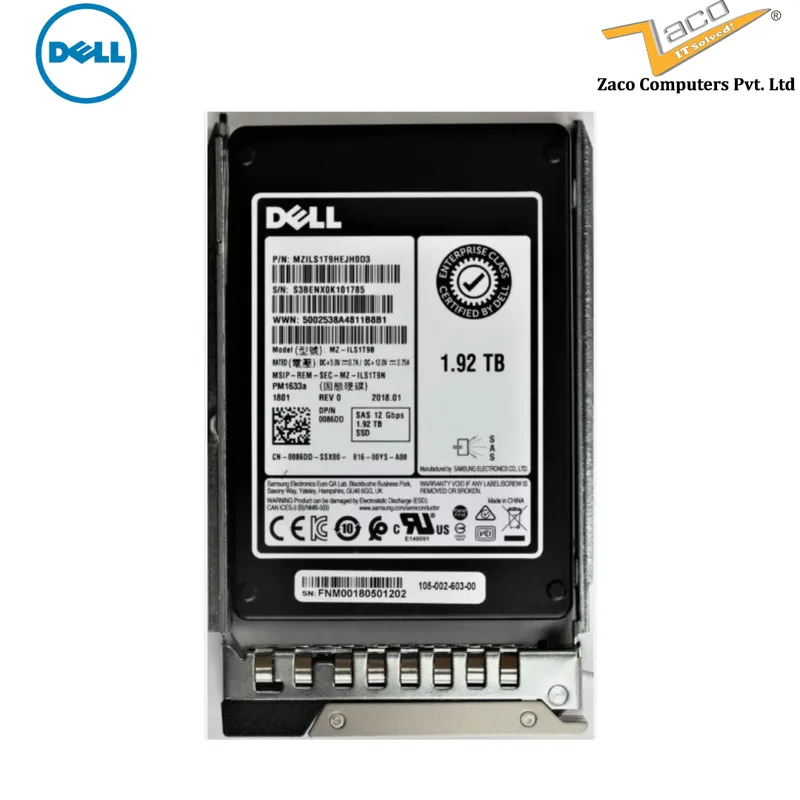
DELL 1.92TB SAS SSD 0086DD
₹51000.00
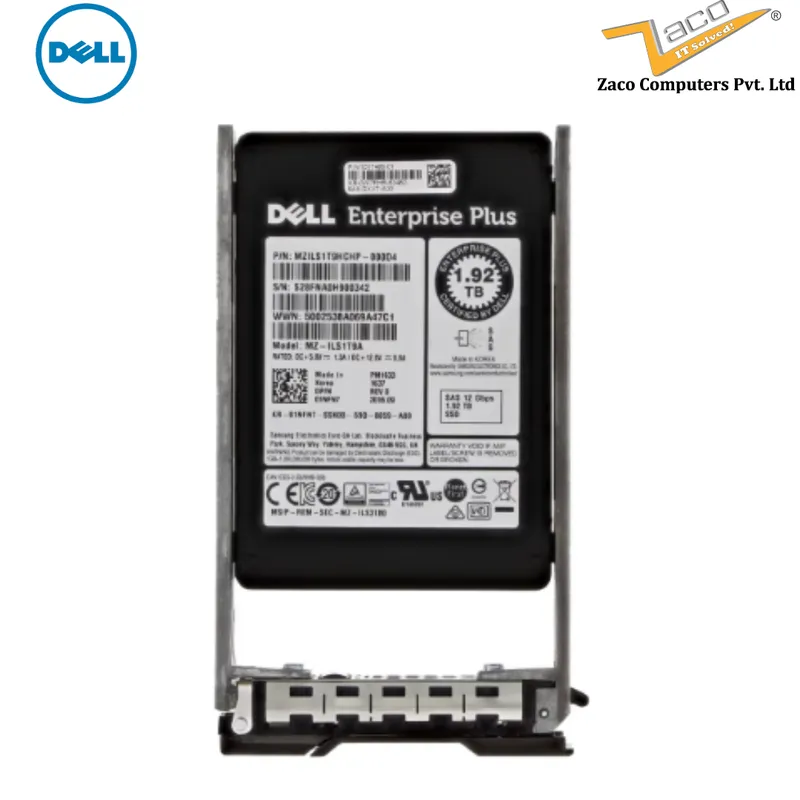
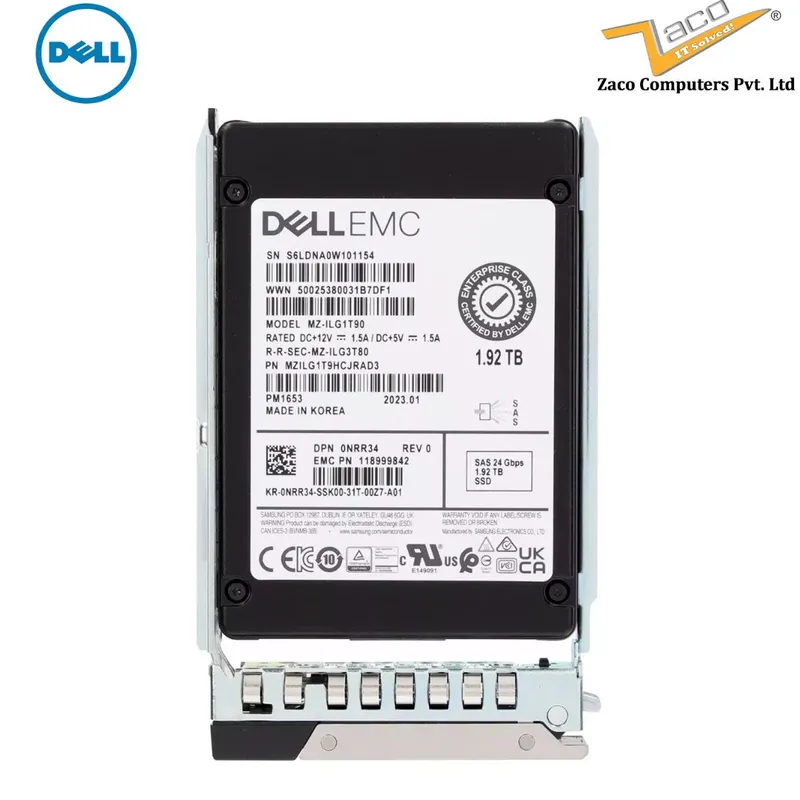
05PDFX Dell 1.92TB SATA SSD
₹44250.00
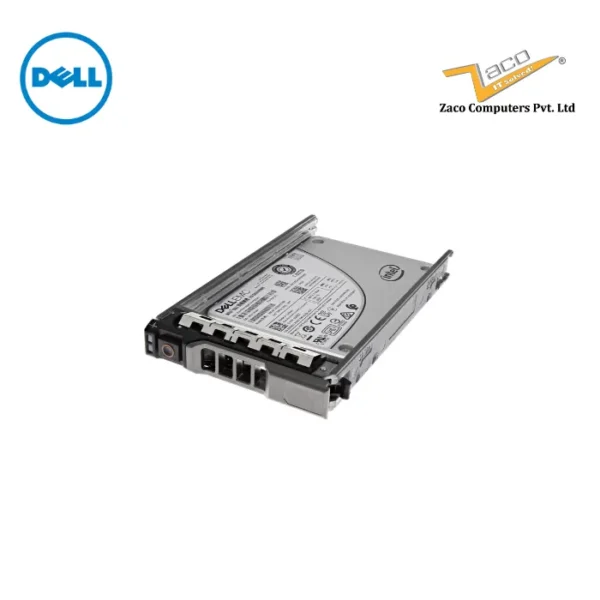
0K5P0T Dell 1.92TB SATA SSD
₹44250.00
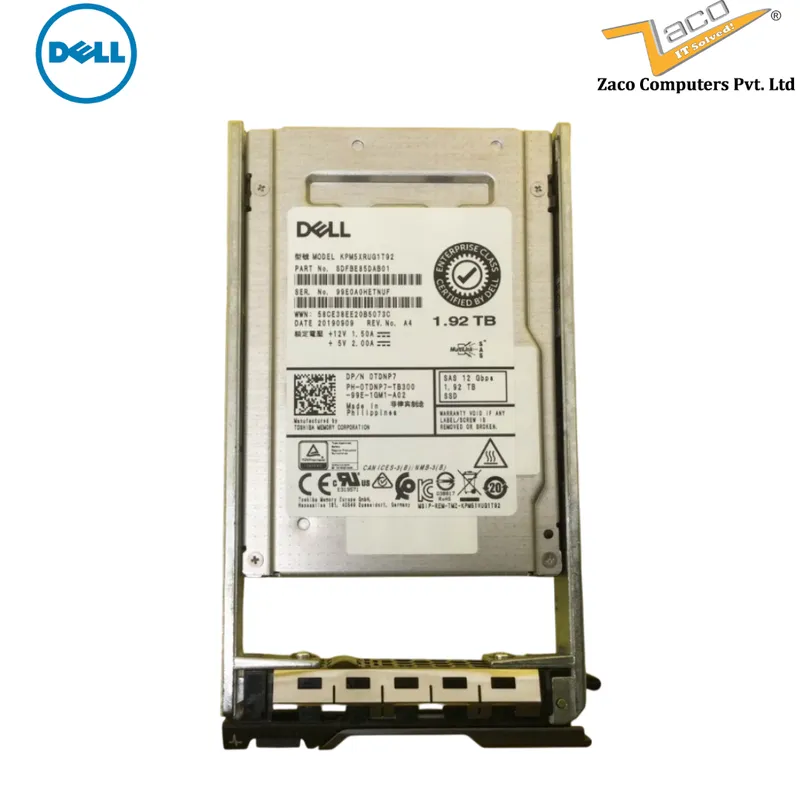
DELL 1.92TB SAS SSD 2.5" 0TDNP7
₹83250.00
0Y4TH9 Dell 1.92TB SAS SSD
₹51000.00
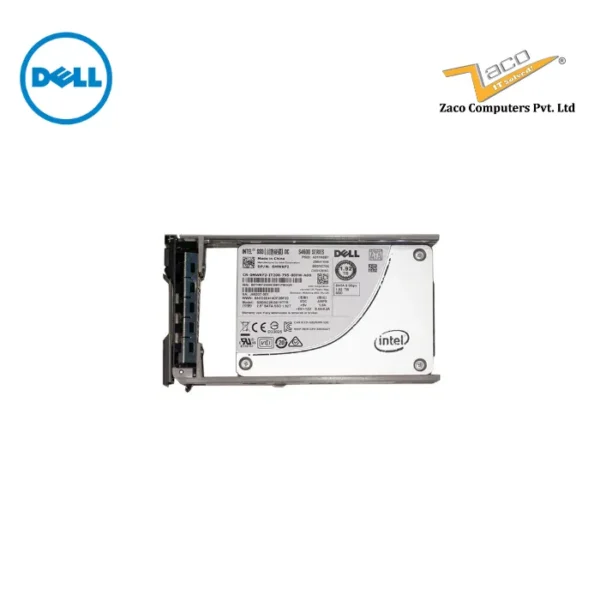
55J8H Dell 1.92TB SATA SSD
₹44250.00

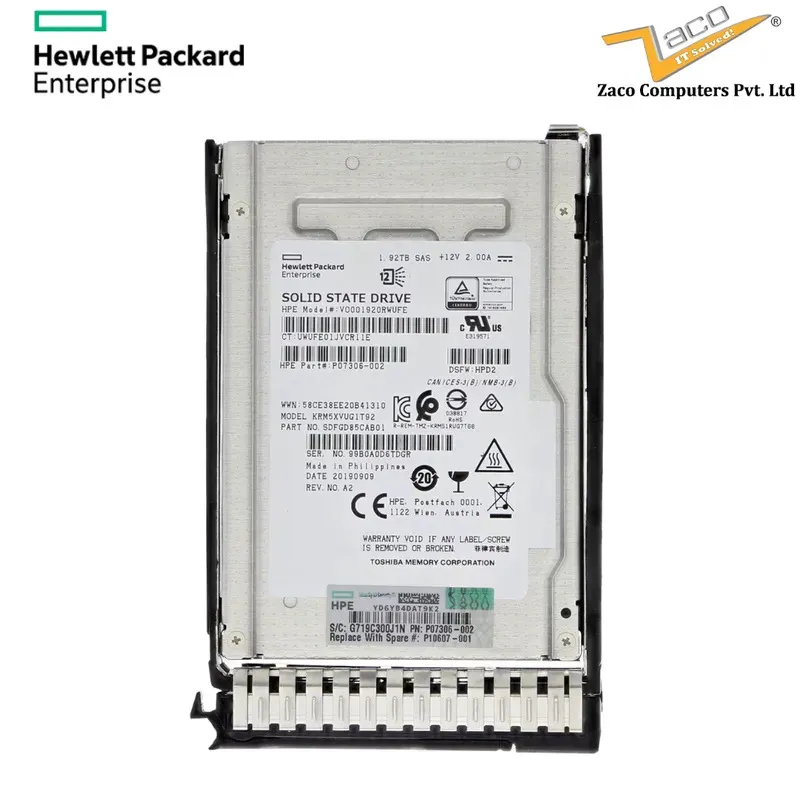
P04172-002 HPE 1.92TB SAS SSD
₹87750.00
1.92TB Server SSD
1.92TB Enterprise SSD for SATA, SAS and NVMe Servers
A 1.92TB enterprise SSD is one of the most commonly ordered storage capacities for servers, storage arrays and data centre refreshes, sitting between the smaller 960GB drives used for boot volumes and the larger 3.84TB and 7.68TB drives used for bulk capacity. This capacity is available across three interfaces, SATA, SAS and NVMe, from OEMs including Dell, HPE, Lenovo, IBM and Samsung, and the right choice depends on your server model, controller and workload rather than on capacity alone. Zaco Computers stocks 1.92TB SSDs across all three interfaces in both new and certified refurbished condition, with part number level compatibility support for Dell PowerEdge, HPE ProLiant and Lenovo ThinkSystem platforms.
Choose SATA, SAS or NVMe Based on Your Server
Interface choice is usually decided by what your server, RAID controller or storage array already supports, not by personal preference. Mixing this up is the most common ordering mistake buyers make, so it helps to know what each interface is actually for before comparing prices.
1.92TB SATA SSD for Mixed Use and Read Intensive Workloads
SATA remains the most widely used interface for 1.92TB server SSDs because it is affordable and compatible with a broad range of older and current generation servers. A 6Gbps SATA III interface typically delivers sequential read and write speeds in the range of 500 to 560 MB/s, which is more than sufficient for boot drives, file storage, backup targets, web servers and general virtual machine storage. Dell, HPE, Lenovo and Samsung all offer 1.92TB SATA SSDs in read intensive and mixed use endurance ratings, so the right pick depends on how much your workload writes rather than reads.
1.92TB SAS SSD for Higher Throughput Server and Storage Arrays
SAS SSDs run at 12Gbps, and some newer drives support 24Gbps, giving them higher sustained throughput and better queue depth handling than SATA under heavy concurrent load. This makes them a common choice for database servers, virtualization hosts and storage arrays such as the HPE MSA range, where multiple drives are accessed simultaneously. Dell and HPE both offer 1.92TB SAS drives in read intensive configurations, and HPE MSA specific SSDs such as the R0Q47A and P13237-001 are built specifically for MSA 1060 and 2060 storage enclosures rather than general server bays, so array compatibility needs to be checked separately from server compatibility.
1.92TB NVMe SSD for Low Latency, High IOPS Applications
NVMe SSDs connect over PCIe rather than a SAS or SATA controller, which removes a layer of protocol overhead and gives them significantly lower latency and higher IOPS. A 1.92TB NVMe drive in U.2 or M.2 form factor is typically chosen for database acceleration, analytics, AI adjacent workloads and any application where storage latency directly affects performance. Brands such as Samsung, with drives like the PM9A3, and Micron offer 1.92TB NVMe options, though NVMe support depends on the server backplane and motherboard having the right PCIe lanes and connectors, so it is worth confirming this before ordering.
Looking for a Specific OEM 1.92TB SSD?
Buyers usually search by the exact brand or part number their server requires, since server SSDs are rarely interchangeable across OEMs without careful checking.
Dell 1.92TB SSD
Dell 1.92TB SSDs are available in both SATA and SAS, and part numbers vary by PowerEdge generation and drive tray type. Common SATA part numbers include 05PDFX, 0K5P0T and 55J8H, while SAS variants include 0086DD, 01NFN7 and 0Y4TH9. If you already know your PowerEdge model and drive caddy type, quoting the part number speeds up the compatibility check considerably.
HPE 1.92TB SSD
HPE 1.92TB SSDs are available for both ProLiant servers and MSA storage arrays, and these two categories are not interchangeable. ProLiant drives such as the P04172-002 are built for server drive bays, while MSA specific SAS SSDs such as the R0Q47A (HPE MSA 1.92TB SAS 12G Read Intensive SFF M2) are designed for MSA 1060 and 2060 SAN enclosures. Both are FIPS capable and carry read intensive endurance ratings suited to boot, virtualization and analytics workloads.
Lenovo 1.92TB SSD
Lenovo ThinkSystem 1.92TB SATA SSDs, such as part number 4XB7A17127, use a 6Gbps SATA interface with mixed use endurance and are commonly paired with ThinkSystem SR and ThinkSystem SN server ranges. As with other OEM drives, tray and firmware compatibility should be checked against the specific ThinkSystem model.
Samsung 1.92TB SSD Models
Samsung's data centre range covers all three interfaces at 1.92TB. The PM893 is a SATA drive suited to general server storage, the PM1643a is a SAS drive built for higher endurance mixed use workloads, and the PM9A3 is a PCIe NVMe drive aimed at latency sensitive applications. These drives are also used as OEM matched replacements inside Dell, HPE and Lenovo servers in many cases.
What Affects 1.92TB SSD Pricing in India
Pricing for a 1.92TB enterprise SSD depends on interface, brand, endurance rating (read intensive versus mixed use), and whether the drive is new or certified refurbished. SAS and NVMe drives generally cost more than SATA at the same capacity because of their higher throughput and controller complexity, and OEM branded drives from Dell or HPE typically carry a premium over open market drives of the same underlying NAND, since they include OEM firmware and warranty support tied to that server brand. It is also worth noting that several industry sources have reported rising enterprise SSD and memory prices through 2025 and into 2026, largely attributed to NAND flash supply being pulled toward AI infrastructure demand. This is one reason more buyers are comparing certified refurbished options against new stock before finalising a purchase order.
New or Certified Refurbished, Which Fits Your Budget
New 1.92TB SSDs come with full OEM warranty and are the safer choice for mission critical production systems where downtime risk needs to be minimised. Certified refurbished drives, tested and re-certified by the seller rather than sold as untested "pulls," can offer meaningful savings and are a practical option for non critical workloads, lab environments, backup targets, or when you need to match an older server generation that no longer has new stock available. The distinction that matters is between a drive that has been tested, wiped and warrantied, and one sold as is with no verification, since only the former carries real reliability assurance.
Check Compatibility Before You Order
Not every 1.92TB SSD works on every server, even within the same brand. Compatibility depends on four things: the server or storage array model, the interface (SATA, SAS or NVMe), the physical form factor and drive tray, and the backplane or RAID controller's supported drive list. A SAS SSD built for an HPE MSA array, for example, will not work in a ProLiant server bay despite sharing the same interface type. The safest way to order is by quoting your exact server model and, where available, the existing drive's part number, so compatibility can be confirmed before dispatch rather than after installation.
Where a 1.92TB SSD Fits Your Infrastructure
A 1.92TB capacity point is commonly used for boot and OS volumes on larger servers, virtualization hosts running multiple VMs, database servers where SAS or NVMe interfaces reduce query latency, backup and file servers using SATA for cost efficient bulk storage, and storage arrays that need a balance between capacity and drive count. Because it sits in the middle of the common enterprise capacity range, it is also a frequent choice when replacing failed drives in an existing RAID array without needing to resize the array itself.
Ordering 1.92TB SSDs in Bulk
For data centre refreshes, storage array rebuilds or fleet wide upgrades, ordering multiple 1.92TB SSDs together is usually more cost effective than single unit purchases, and it also simplifies logistics when every drive needs to match firmware and part number for RAID consistency. If you are sourcing SSDs for more than one server or for a full array rebuild, sharing your server models and required quantity upfront allows pricing and stock to be confirmed for the full order at once.
Frequently Asked Questions About 1.92TB Server SSDs
What is a 1.92TB enterprise SSD used for?
It is used as server or storage array drive for workloads such as virtualization, databases, file storage and backup, offering a middle ground capacity between smaller boot drives and larger bulk storage drives.
Will a 1.92TB SSD work in any server?
No. Compatibility depends on the server model, interface, drive tray and backplane or controller support list. Always confirm against your exact server model before ordering.
What is the price range for a 1.92TB SSD in India?
Pricing varies by interface, brand and condition. SATA drives are generally the most affordable, SAS drives cost more due to higher throughput, and new OEM branded drives cost more than certified refurbished equivalents. Sharing your server model allows an accurate quote to be given.
Is a certified refurbished SSD reliable?
A certified refurbished SSD that has been tested, wiped and backed by a warranty is a reliable option for most workloads, particularly non critical systems, labs and backups. The key is buying from a seller who tests and warranties every drive rather than selling untested stock.
Can I use an HPE MSA SSD in a regular ProLiant server?
No. MSA specific SSDs such as the R0Q47A are built for MSA 1060 and 2060 storage enclosures and are not interchangeable with standard ProLiant server drive bays.
What endurance rating should I choose, read intensive or mixed use?
Read intensive drives suit workloads with mostly read operations, such as file serving or web hosting. Mixed use drives suit workloads with a higher proportion of write operations, such as databases or logging systems, since they are built for higher drive writes per day.
Do you support bulk orders for multiple servers?
Yes. For multi server or full array upgrades, quantity based pricing and stock can be confirmed once server models and required part numbers are shared.
How do I find the right part number for my server?
The part number is usually printed on the existing drive or listed in your server's official parts documentation. If you are unsure, sharing your server model and generation is enough to identify the compatible options.
Get the Right 1.92TB SSD for Your Server
Ordering the correct 1.92TB SSD comes down to matching interface, form factor and part number to your specific server or storage array, rather than choosing on price alone. Zaco Computers can confirm compatibility, current stock and pricing for Dell, HPE, Lenovo and Samsung 1.92TB SSDs across SATA, SAS and NVMe, in both new and certified refurbished condition, backed by warranty.